

” Does neurofeedback work? The answer depends on your goals, the type of neurofeedback used, and how your progress is measured. Research findings vary across conditions, and neurofeedback should not be presented as a guaranteed solution.
At Tennessee Neurofeedback, the approach centers on individualized brain mapping, personalized training protocols, and realistic expectations. Some clients hope to improve focus, ease a lack of concentration, manage stress, or support better sleep. Others want help with anxiety or other mental health concerns. This guide covers how neurofeedback works, what current research suggests, and what to think about when deciding whether it may be right for you.“
Table of Contents
ToggleWhat Is Neurofeedback, in Simple Terms?
Neurofeedback is a type of brain training that uses real-time information about brain activity to give feedback. During a session, sensors placed on the scalp measure electrical activity. A computer then turns that information into feedback, which may be a video, a visual display, or a sound.
The aim is to help the brain practice regulating selected patterns of activity through repeated training. Neurofeedback is non-invasive: EEG sensors record brain activity rather than sending electrical stimulation into the brain. If you want the full picture, you can read more about how neurofeedback works before you start.
This matters for the main question. Neurofeedback is learning, not a drug. Like any learning, it works better for some goals than others, and it takes repetition.
So, Does Neurofeedback Really Work?
Here is the honest answer. Neurofeedback has the most research behind it for attention and anxiety-related concerns. For these, many people report real, lasting changes. For other uses, the evidence is still growing, and results vary more from person to person.
It also is not an instant fix. Neurofeedback works gradually, the way physical training builds fitness. A few sessions rarely change much. A full course gives the brain enough repetition to hold new patterns.
Because of this, the most honest way to see neurofeedback is as a support that may help, not a guaranteed outcome. A good clinic will tell you that upfront.
What Does the Research Actually Say?
Neurofeedback has been studied for decades. The strongest body of research sits around ADHD, where it is one of the more studied non-medication options, and it is a common reason people look into ADHD care in Chattanooga. Anxiety and stress regulation also have solid support.
For sleep, mood, and trauma-related concerns, studies are promising but smaller or more mixed. That does not mean it cannot help. It means results are less predictable, and neurofeedback is best used alongside other care rather than on its own.
Research also points to neuroplasticity, the brain’s natural ability to form new patterns, as the reason training can lead to lasting change. That capacity is what neurofeedback works with.
One reason the research looks mixed is that neurofeedback is not a single method. Different clinics use different protocols, different equipment, and different session lengths. A study using one approach cannot speak for all of them. This is also why the quality of the clinic and the plan matters so much to whether neurofeedback works for you.
Is Neurofeedback Just a Placebo?
This is a fair question, and a common one. Some critics argue that part of the benefit comes from the calm setting, the routine, and the attention of a caring team. That may be true for a share of the effect, and an honest clinic will not pretend otherwise.
At the same time, brain maps taken before and after training often show measurable shifts in brainwave activity, not just a change in how someone feels. Those visible changes are hard to explain by expectation alone. The honest view sits in the middle: some of the benefits may be non-specific, and some reflect real changes in how the brain regulates itself.
Curious What Your Brain Map Would Show? Ask our team how neurofeedback may fit your goals
Why Does Neurofeedback Work for Some People and Not Others?
A few things tend to make the difference between a strong result and a weak one:
- Consistency. The brain needs regular sessions to learn. Skipping weeks slows progress.
- A data-driven plan. Training guided by a brain map targets the right areas instead of a general program.
- The goal itself. Focus and calm tend to respond well. Some concerns respond more slowly.
- Working alongside other care. Neurofeedback does better as part of a wider plan than as a standalone option.
What Can You Realistically Expect?
Most people train in sets of sessions, with a follow-up QEEG brain map to check progress. Some notice small changes early, like steadier sleep or a calmer mood. Deeper change usually takes a full course over weeks to months.
Clients train in person or through a remote neurofeedback program when they cannot visit often. Either way, honest expectations matter. Think of steady training over time, not a single session.
Wondering If Neurofeedback Could Work for You? Learn how a brain map may show what your brain needs.
Who Tends to See the Most Benefit?
Neurofeedback tends to help most when the concern is tied to how the brain regulates itself, such as attention, stress, worry, or sleep. People who feel overwhelmed all the time often fall into this group, because that pattern is linked to the kind of activity neurofeedback can train.
Across our Tennessee locations, that includes people looking into anxiety support in Brentwood. The brain map helps show whether neurofeedback is likely to help in a given case.
It tends to be a weaker fit when the problem is mainly physical, social, or situational rather than brain-based.
Neurofeedback cannot change a difficult life circumstance. What it may do is help the brain cope with that circumstance in a steadier way. Being honest about this split is part of setting fair expectations.
How to Give Neurofeedback the Best Chance of Working
If you decide to try it, a few things improve your odds. Start with a brain map so the plan fits you. Train consistently. Keep your other care in place, and it helps to understand how neurofeedback compares to therapy, since the two often work together rather than one replacing the other. And give it enough time before you judge the results.
A clinic that sets honest expectations, uses certified neurotherapists, and tracks progress with repeat brain maps is more likely to give you a fair trial than one promising fast, guaranteed results.
Frequently Asked Questions
Does neurofeedback really work for everyone?
How long before neurofeedback works?
Is neurofeedback backed by science?
Can neurofeedback work without medication?
Yes, it is drug-free. Many people use it alongside their current care. Never stop a prescribed medication without talking to the doctor who prescribed it.
The Bottom Line
Neurofeedback does work for many people, especially for attention, anxiety, stress, and sleep. But it is honest to call it a support that may help, not a guaranteed result. It works gradually; it works best with a brain-map-guided plan and steady, regular sessions, and it fits alongside your other care rather than replacing it. Across Tennessee, that same brain-based approach is applied to different concerns, from focus and worry to depression support in Knoxville. If your struggles are tied to how your brain regulates itself, and you go in with realistic expectations, neurofeedback may be well worth a look.
Ready to See If Neurofeedback Fits Your Goals?
Book a free consultation to learn what to realistically expect and whether neurofeedback could fit alongside your current care.
Or call us now: (615) 290–8798 ·
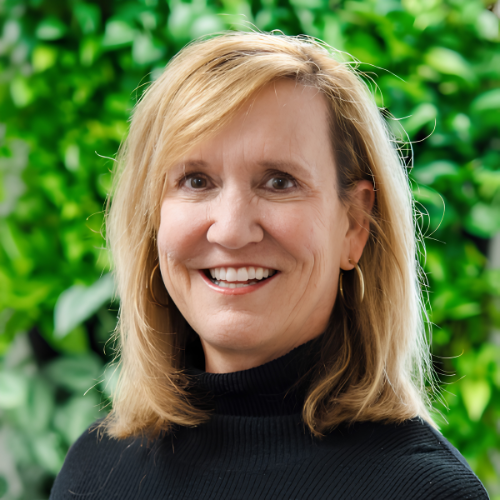


Kaka Ray, LMFT, BCN
Founder & Board Certified Neurotherapist, Tennessee Neurofeedback
Kaka Ray, LMFT, BCN is the founder of Tennessee Neurofeedback and a Board Certified Neurotherapist with 15+ years of combined clinical experience helping individuals improve focus, emotional regulation, sleep, and cognitive performance through drug-free neurofeedback therapy. She leads a team of board-certified neurotherapists and licensed mental health professionals across multiple Tennessee locations.